
How it's made?
01 Melt
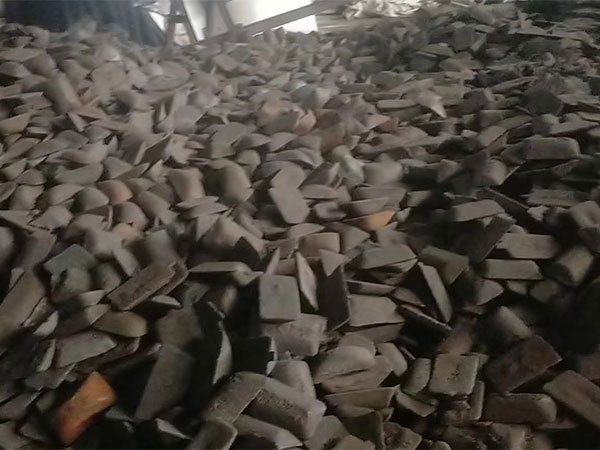
We add a mixture of pig iron, recycled steel, castings from our foundry, and alloys to the electric induction furnace. This furnace runs over 2,000 degrees F and it can hold 7 metric tons of liquid iron. It takes 45 minutes for a 17,000-pound charge of metal to liquify
02 Cast
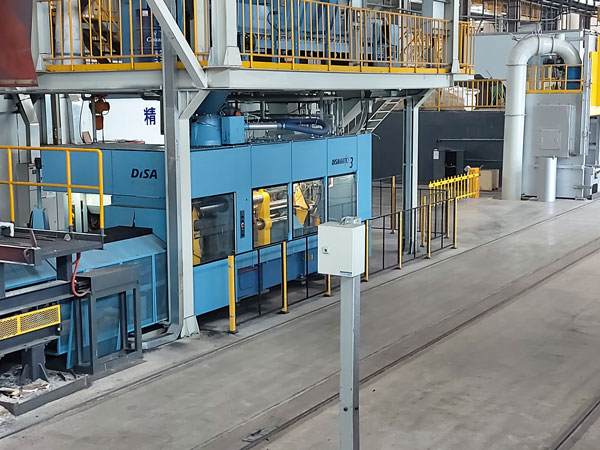
To make our cookware, we must first start with a pattern. We use the Disamatic molding machine to press a mixture of sand, water, and clay against the pattern and create molds. Each machine is capable of making 450-500 molds an hour
03 Pour
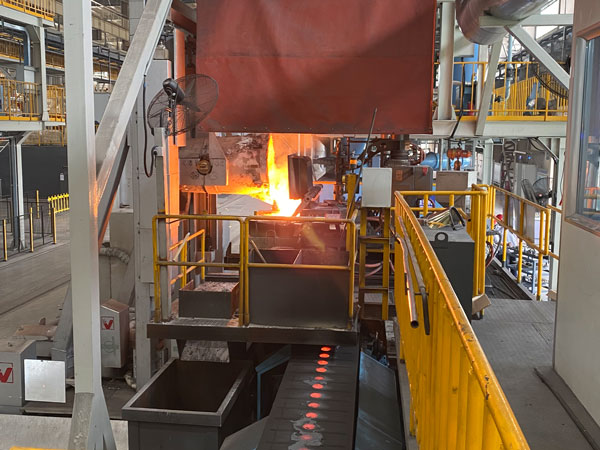
Once the sand mold is created and the molten iron hits the right temperature, we pour the liquified metal into the mold. Since sand melts at a higher temperature than iron, the mold holds its shape.
04 Shake Out
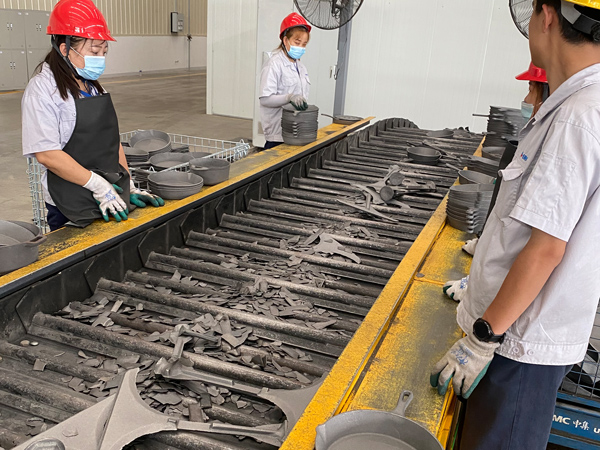
When the cast iron has cooled, the castings move along a vibratory conveyor to shake off the molding sand, which we recycle.
05 Scrub
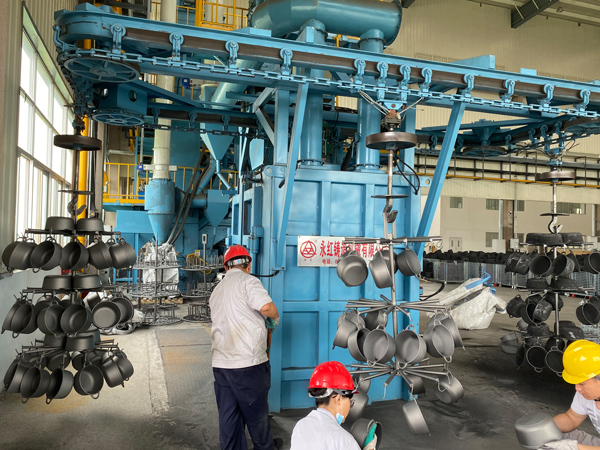
After removing the casting from the broken mold, the castings travel to the blasting device, where steel shots hit the surface of the cast iron at high speed.These shots rid the casting of the remains of the molding compound and thus the pan acquires its characteristic surface
06 Grinding
The next step in the foundry is the grinding. each piece undergoes a visual inspection and is then freed of any imperfections using grinding stones.

07 Season
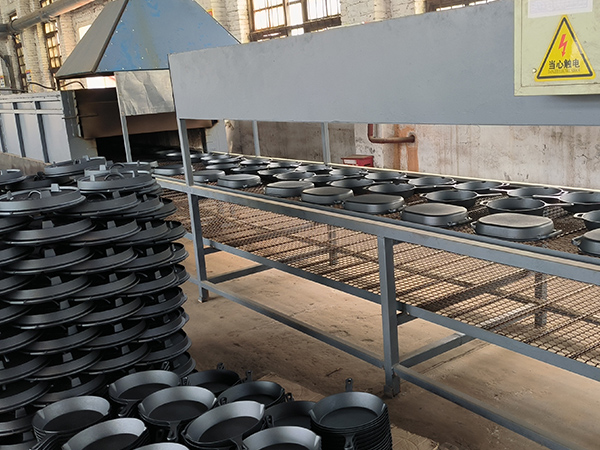
Once the cast iron is completely cleaned, it’s hung on a conveyor to be seasoned. First, they go through a hot rinse and hot air blow off. Our cookware is then sprayed with vegetable oil and baked at a high temperature, well above the range of a typically household oven. This creates a natural, easy-release finish that gets better with use
08 Package
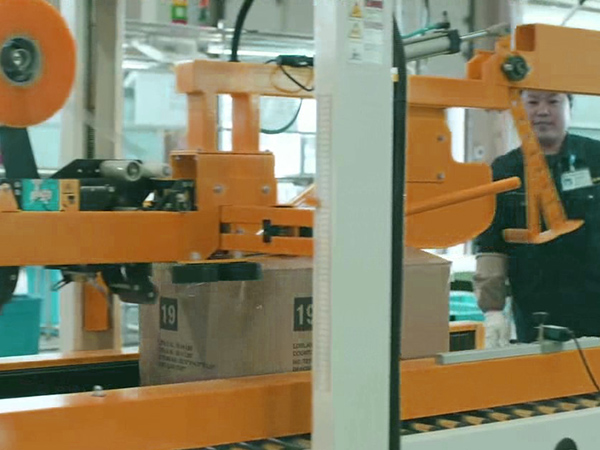
Our employees give the cookware a final inspection before packing it with biodegradable paper and corrugated packing material. Now, all we have to do is get the cookware to you.
 How it's made?


 What is the average lead time?